Dilley's ICE Facility
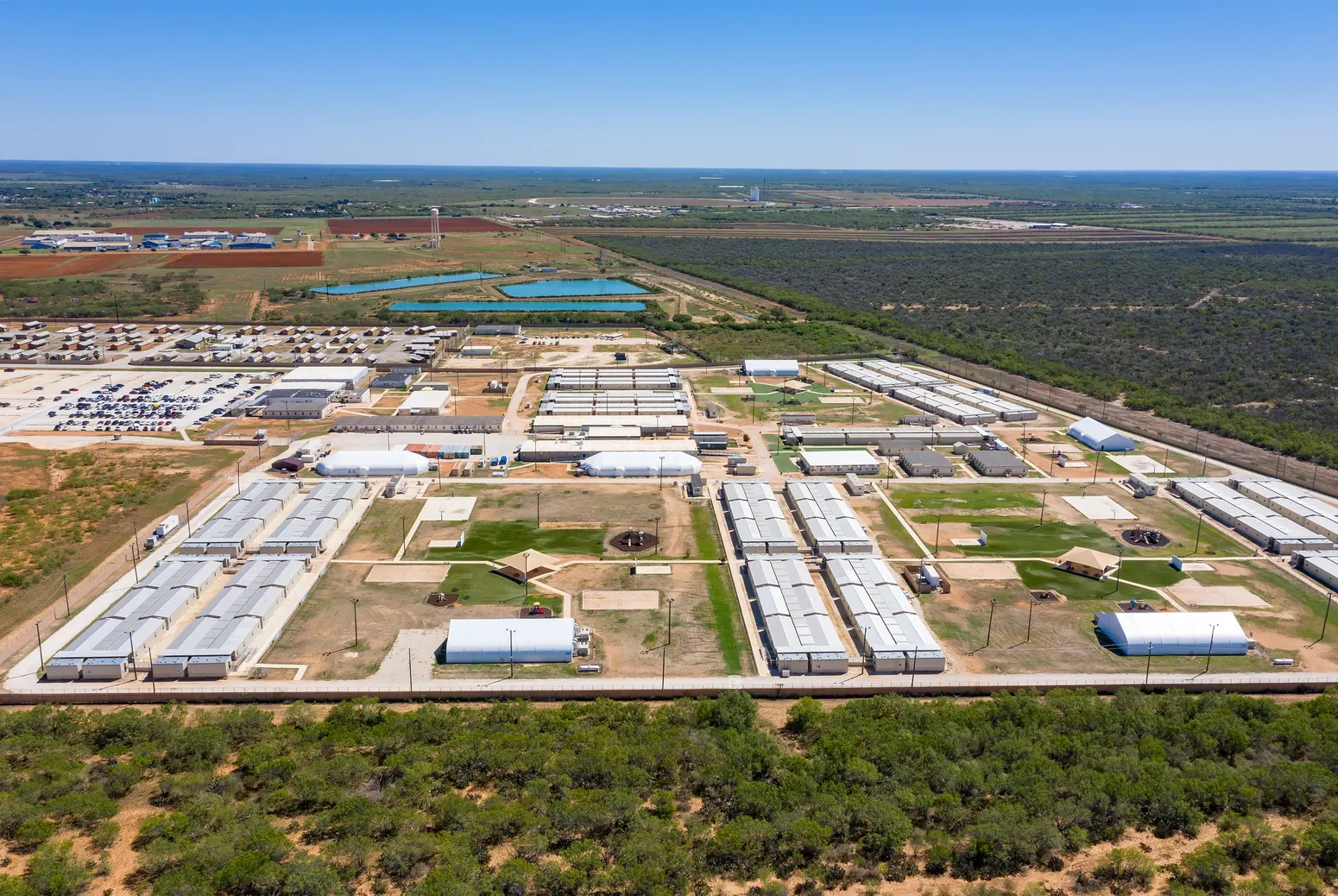
One Year In: Proven Results!
After reopening in 2025, the South Texas Family Residential Center in Dilley delivered exactly what we hoped.
- Families were held for extended periods without hearings.
- Children lost weight, stopped speaking, and showed clear signs of trauma.
- Medical care was delayed, denied, or reduced to paperwork while infections, chronic conditions, and pregnancy complications went untreated.
- Multiple reports and lawsuits allege that guards forced compliance through intimidation, retaliation, and constant threat of family separation.
- Legal access was obstructed, and mental health care was absent in practice. No corrective action followed.
CoreCivic's facility demonstrated that deterrence through suffering works best when neglect is casual, accountability is optional, and cruelty is routine. One year in and lifelong trauma has ALREADY become the product!
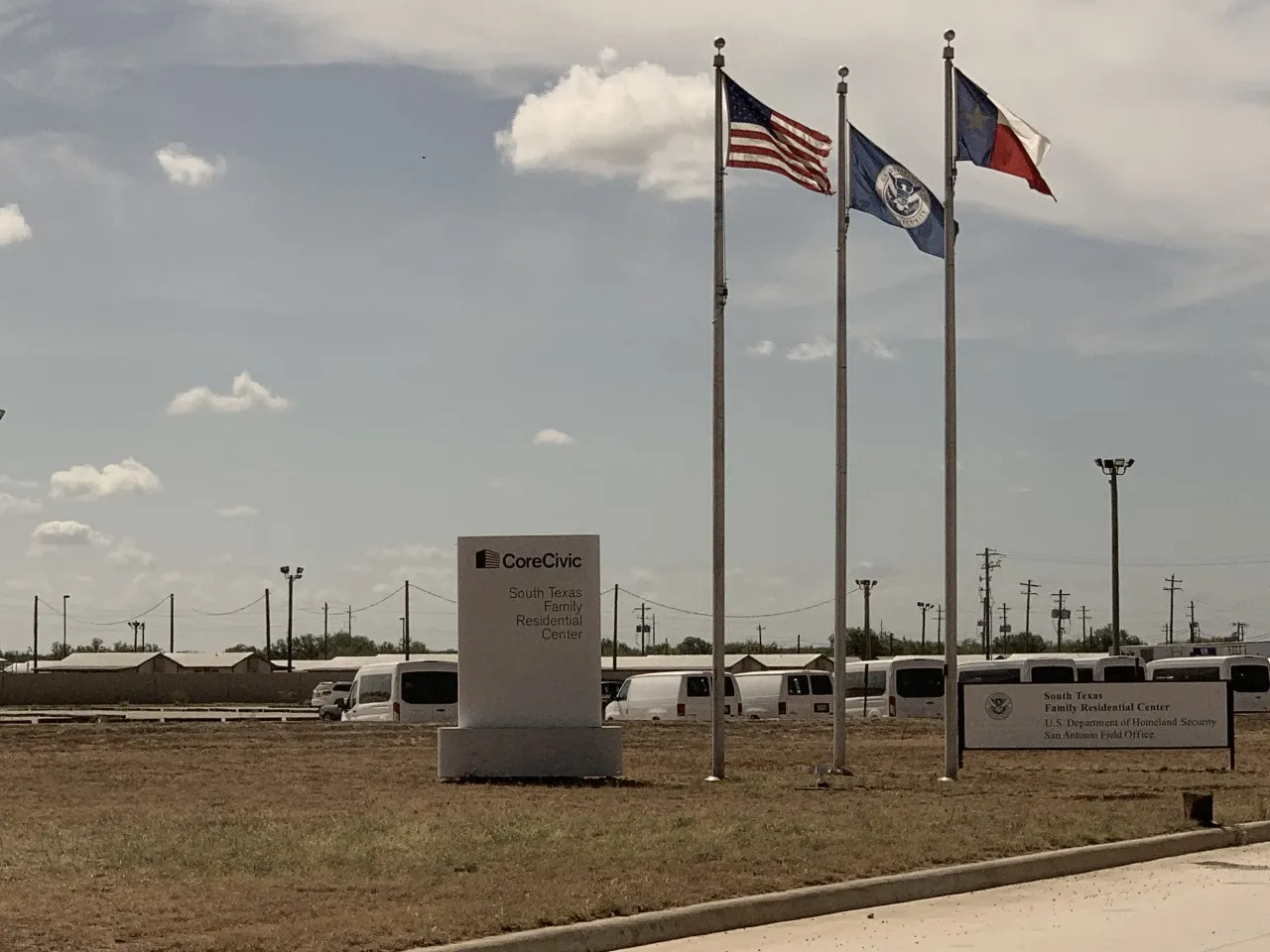
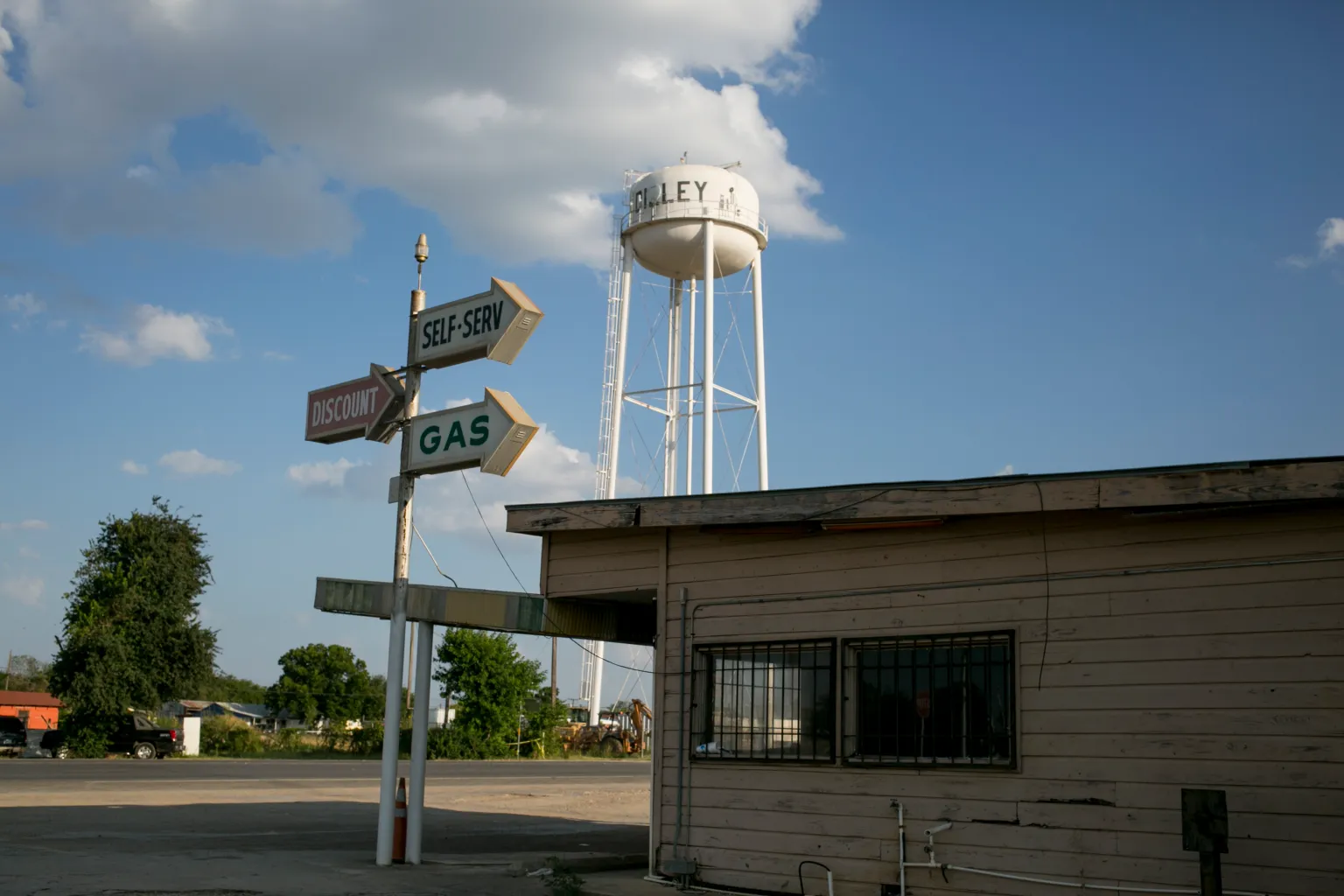
Family Detention Fun
No one knows exactly how long it'll be before you will never be seen again. I hope you'll just keep forgetting all our cruelty.
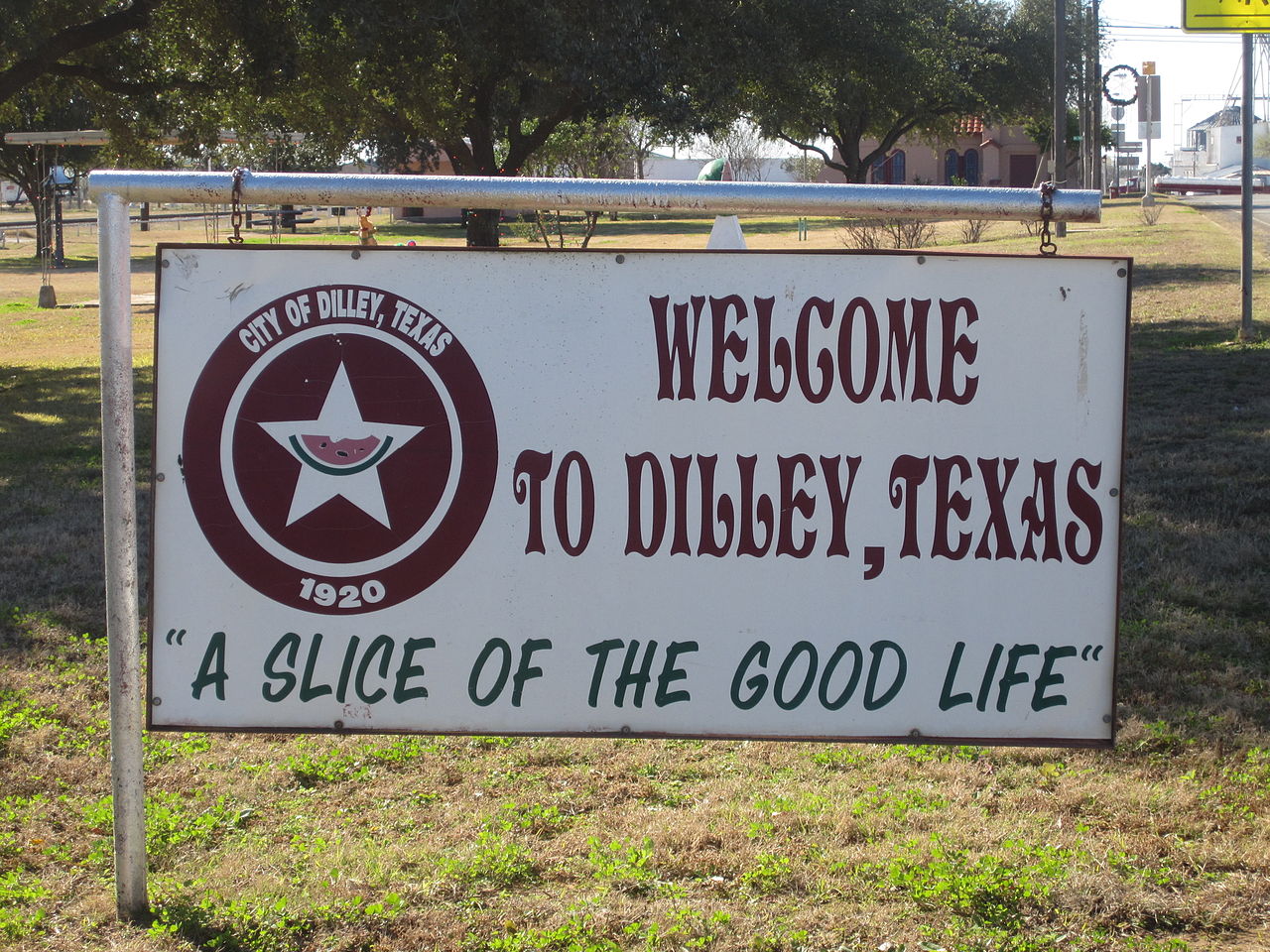
Lack of Civic Pride?
Are you rooted in racism and resistance to accountability and change of any sort? Do you have any ripped up flags? You will fit right in!
For-Profit Incarceration
Human beings trading on misery and neglect. As long as they get paid, they continue to "follow orders" no matter what the cost to the detainees.
Did You Know?

In 2017, Dilley's CoreCivic facility had a 20,000-gallon sewage spill! Funny enough, the wastewater operator who had reported the spill later alleged that he had been forced to resign.
SOURCE: Dilley Aguas
In Dilley, we love transparency and kindness (just as long as it’s theoretical or pretend and does not interrupt the collection of our blood money).
Community History
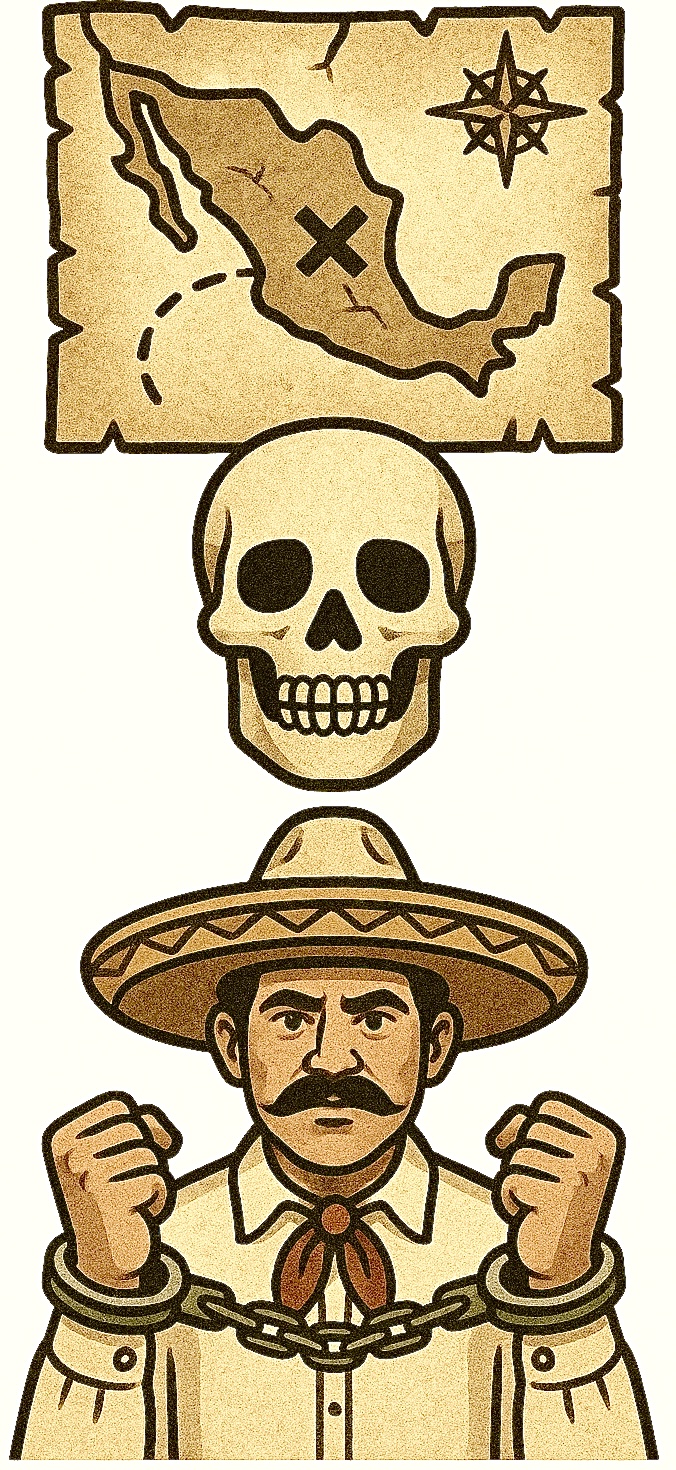
1910–1920 — La Matanza
La Matanza near Dilley was exactly what the name says, The Slaughter. Ethnic cleansing.
Click to Expand
1940–1960 — Bracero Program
The Bracero Program in Dilley was cheap labor dressed up as international cooperation.
Click to Expand
2014–2024 — Detention Center Abuse
The South Texas Family Residential Center in Dilley became nationally known for abusing migrant families.
Click to Expand
2025 — Camp Reopened
The detention facility reopened under renewed scrutiny.
Click to Expand
1910–1920 — La Matanza
La Matanza near Dilley was exactly what the name says, The Slaughter.
During the Spanish colonial period, Indigenous communities across what is now South Texas were subjected to repeated military campaigns, forced removals, and lethal raids as imperial authorities and missionaries sought to secure territory, control river corridors, and suppress resistance. Spanish frontier policy relied heavily on armed expeditions, mission systems, and population displacement to clear land for ranching, settlement, and imperial administration. Archival records, military correspondence, and later historical scholarship document numerous episodes of violence tied to this strategy, including killings that targeted civilian populations rather than organized armies. The Frio River region lay within this contested frontier zone, where Indigenous groups faced sustained pressure from colonial expansion even when specific incidents were poorly recorded or later forgotten.
The term La Matanza, however, is most commonly used by historians for a much later period, roughly nineteen ten through nineteen twenty, when Texas Rangers, vigilantes, and local authorities carried out widespread killings of ethnic Mexicans across South Texas in the aftermath of the Mexican Revolution and border unrest. That campaign of racial terror is well established in court records, newspaper accounts, Ranger files, and modern historical research. It involved hundreds and likely thousands of deaths across multiple counties and permanently reshaped communities throughout the region.
What remains uncertain is whether a specific massacre in or immediately around Dilley itself has been conclusively documented under that label in mainstream historical scholarship. Violence against Indigenous peoples during the Spanish era and anti Mexican terror during the early twentieth century were both real and devastating, but they belong to different moments in Texas history and arose from different political systems, military strategies, and racial regimes. Collapsing them into a single event risks blurring that distinction and understating the complexity of how brutality unfolded across generations.
This separation is not academic hair splitting. It is how historians trace responsibility, identify patterns of state violence, and prevent separate episodes of oppression from being flattened into a single narrative. South Texas did not experience one isolated atrocity but a long succession of violent frontier policies, racialized policing, and population control strategies that left deep scars on the region. Documenting those episodes accurately is essential to understanding how present day systems of power and exclusion developed on top of earlier dispossession and terror.
As Spanish rule gave way to Mexican control and then Anglo settlement, the massacre faded from official memory while the land was repurposed and renamed. No monument, no apology, no reckoning. Just erased people and a buried crime under the foundations of South Texas settlement. La Matanza at Dilley is not legend, exaggeration, or metaphor.
1940–1960 — The Bracero Program
The Bracero Program in Dilley was cheap labor dressed up as international cooperation. Mexican men were brought in to work the onion fields and surrounding agriculture under contracts that promised fair wages, housing, and humane treatment. What they got instead was long days of brutal physical labor in South Texas heat, cramped and often unsanitary camps, wage theft through deductions, and near total control by growers who knew the workers had no leverage. If a bracero complained, he was blacklisted or sent back across the border. Hunger, exhaustion, and humiliation were baked into the system.
Dilley agriculture expanded because labor costs were crushed and accountability was nonexistent. The town prospered while the workers remained invisible, disposable, and interchangeable. When the program ended in 1964, there was no reckoning. No back pay. No acknowledgment of stolen wages or broken contracts. The braceros left worn down and empty handed, and Dilley moved on without them. The Bracero Program in Dilley was not a partnership. It was state sanctioned exploitation that treated human beings as tools, used them up, and discarded them like trash once they were no longer needed.
.2014–2024 — Detention Center Abuse
The South Texas Family Residential Center in Dilley, run by CoreCivic, became nationally known for abusing migrant families under the cover of “civil detention.” Women and children were held for months despite asylum law requiring prompt processing. Medical care was delayed or denied. Children experienced extreme weight loss, untreated illnesses, and psychological distress. Guards used intimidation and arbitrary discipline. Mothers reported being threatened with separation from their children if they complained. Some of this was overcrowding chaos. and some simple neglect inside a government facility..
2025 — Camp Reopened
The ICE detention center reopened despite documented abuse and public criticism. Money never tasted so good and there is always room for more...